Why are Web Analytics Crucial for Advertisers?
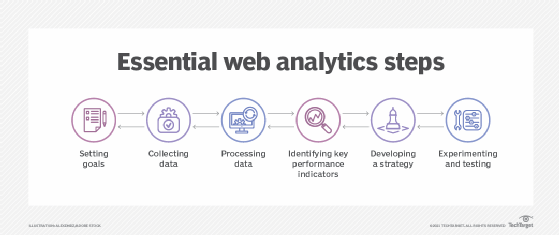
Web analytics have emerged as a cornerstone of modern advertising, providing advertisers with critical insights that drive campaign optimization, audience understanding, and overall marketing effectiveness. The ability to collect, analyze, and interpret data from web interactions allows advertisers to tailor their strategies to meet the evolving demands of consumers in a digital landscape that is increasingly competitive and complex. In this blog, we will explore the multifaceted importance of web analytics in advertising, emphasizing their role in optimizing campaigns, understanding audience behavior, and enhancing the effectiveness of marketing efforts. One of the primary advantages of web analytics is its capacity to optimize advertising campaigns in real-time. Advertisers can leverage data to assess the performance of various elements of their campaigns, including ad placements, messaging, and targeting strategies. Javrninen and Karjaluoto highlight that investments in digital marketing are driven by measurable results that web analytics provide, which are often more straightforward than traditional marketing metrics. This capability allows advertisers to make informed decisions about reallocating resources to the most effective channels and strategies, maximizing return on investment (ROI). In addition to optimizing current campaigns, web analytics helps advertisers measure success and return on investment (ROI). Precise, quantifiable data from tools like Google Analytics on Facebook insights allows advertisers to track metrics such as impressions, clicks, leads, and sales. By linking revenue directly to specific campaigns, advertisers can calculate the exact ROI, which is crucial for justifying their advertising budget. For example, if a campaign costs $1,000 and generates $5,000 in sales, the ROI can be calculated and used to assess the strategy's effectiveness. Without web analytics, measuring the actual impact of advertising efforts would be difficult, making it harder to allocate resources wisely.
Moreover, web analytics empower advertisers to understand their audience granularly. Advertisers can create detailed profiles of their target consumers by analyzing visitor behavior, demographics, and engagement metrics. While Burke et al. discuss visitor analytics, their focus is primarily on agricultural injury reports and does not directly support the claim about enhancing marketing strategies through understanding user behavior. Understanding individual user behavior through analytics can significantly improve the effectiveness of marketing strategies, as it allows for more personalized and relevant advertising. This personalization is crucial in an era where consumers expect tailored experiences, and failure to meet these expectations can result in lost opportunities and diminished brand loyalty. Web analytics also provide a competitive edge. Today, trends, audience preferences, and competitor actions can set a brand apart in today's crowded digital marketplace. For instance, analytics tools can offer insights into competitors' keywords, ad placements, and performance, allowing advertisers to identify campaign opportunities or gaps. Staying ahead of the competition becomes much easier with this data-driven approach. Advertisers leveraging these insights can refine their strategies, capitalize on opportunities, and improve advertising outcomes. Finally, web analytics is critical in improving customer experience, which boosts engagement and conversions. By analyzing how users interact with ads and websites, advertisers can identify pain points and areas for improvement. Whether improving website load times, enhancing navigation, or ensuring that ads are relevant and timely, better user experiences increase customer satisfaction and stronger brand loyalty. This creates more meaningful connections between brands and their customers in the long term.
In conclusion, web analytics give advertisers insights into optimizing campaigns, understanding audiences, and enhancing marketing effectiveness. Collecting and analyzing data in real time allows advertisers to make informed decisions, personalize their strategies, and measure the impact of their efforts. As the advertising landscape continues to evolve, the reliance on web analytics will only grow, making them an indispensable tool for success in the digital age.
Source: Järvinen, J., & Karjaluoto, H. (2015). The use of Web analytics for digital marketing performance measurement. Industrial Marketing Management, 50, 117–127. https://doi.org/10.1016/j.indmarman.2015.04.009.
Burke, R., Pilz, M., Redmond, E., Gorucu, S., & Weichelt, B. (2021). Stakeholders’ Consumption of Agricultural Injury Reports from News Media: A Six-Year Analysis of Website Usage and Visitor Analytics. Safety, 7(2), 48. https://doi.org/10.3390/safety7020048Burk


Comments
Post a Comment